Paint Protection Film vs. Vinyl Wrap: Why PPF Comes Out on Top?
SCHEDULE ONLINE GET A FREE ESTIMATEPaint Protection Film or PPF, stands tall when compared to vinyl wrap in vehicle protection. Its self-healing properties easily bounce back from minor scratches and chips, providing superior damage resistance. This intriguing feature isn’t found in traditional vinyl wraps, making PPF a more attractive choice. Moreover, it's virtually invisible once properly applied, preserving the car's original aesthetics while serving its purpose excellently.
Paint protection film (PPF) offers superior protection against stone chips, scratches, and environmental damage compared to vinyl wrap. PPF is also more durable and has self-healing properties, ensuring long-term protection for your vehicle's paintwork. Ultimately, PPF provides a nearly invisible layer of defense while preserving the original appearance of the vehicle.
Understanding Paint Protection Film
As a car owner, you're well aware of the damage that can appear on your vehicle's exterior: frustrating stone chips, hard-to-remove bug splatter, and the annoying wear and tear from environmental elements. These factors not only adversely affect the appearance of your prized vehicle but also diminish its value over time. This is where Paint Protection Film (PPF) steps in as a superhero for car paint.
At its core, PPF is made up of a clear, thermoplastic urethane film that is precisely applied to your car's exterior surface in order to shield it from these common threats. This means a layer of protection that keeps the aesthetics of your car safe from the challenges and obstacles that it faces every day. It acts almost like armor for your vehicle—taking one for the team while keeping your car looking incredible.
The application process allows for an almost invisible protective layer to be placed on top of your car's finish. PPF creates a seamless shield that yields substantial protection without altering the visual appeal of your vehicle.
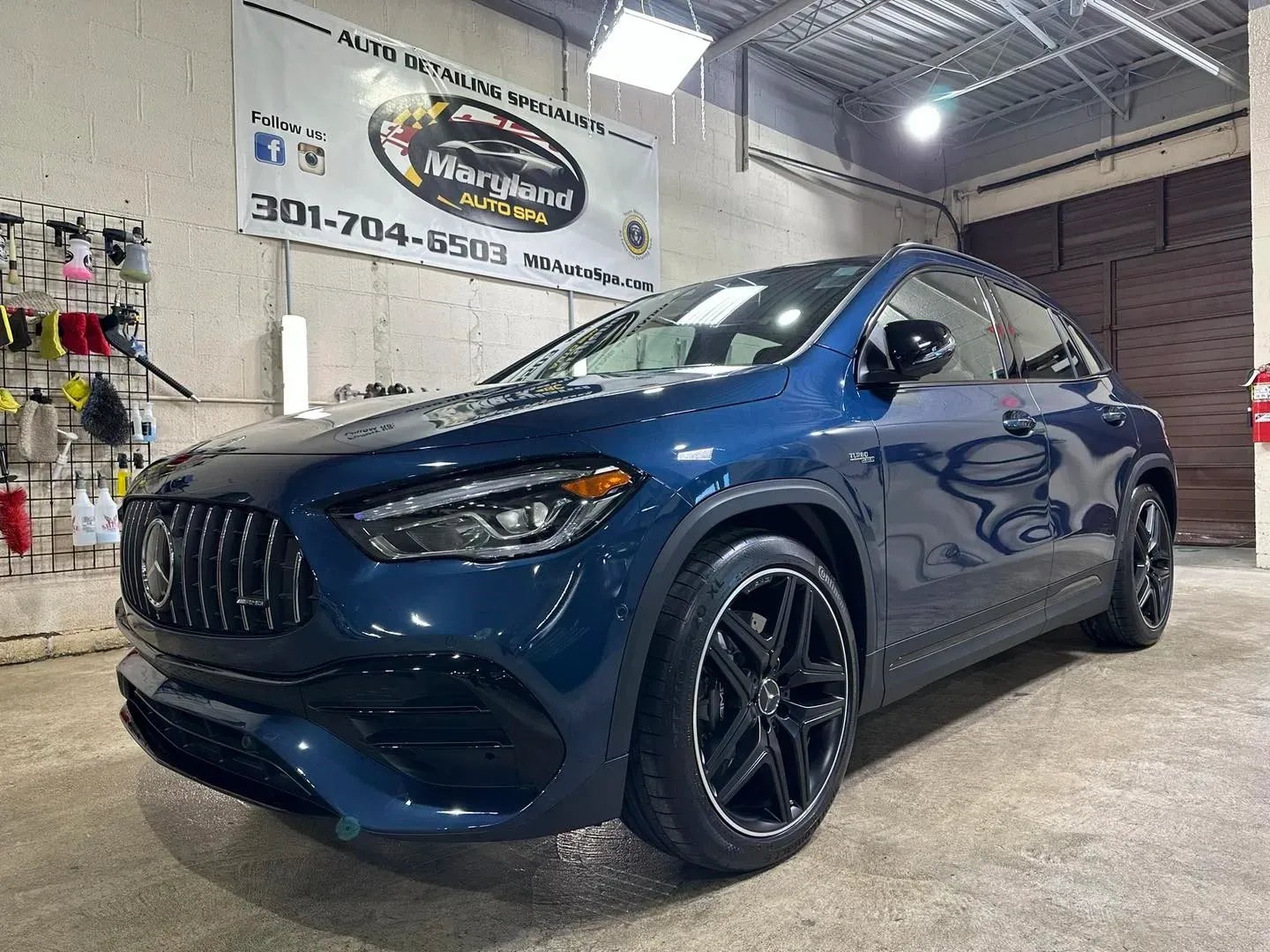
Application of Paint Protection Film
The installation of paint protection film (PPF) is a complex process, which begins with a thorough cleaning and preparation of the surface to ensure its proper adhesion. Even if you’re not a DIY expert, knowing what to expect can help you appreciate the amount of care and effort put into this.
This process begins with ensuring the vehicle's surface is entirely clean and free from any dirt, dust, or other impurities that may interfere with the adhesion of the PPF. Cleaning involves washing and decontaminating the surface to achieve a clean, smooth finish. A professional installer knows just how critical this step is, which is why we always recommend getting expert assistance for this kind of application.
Once the surface is thoroughly prepped, it’s time for the delicate work of laying and molding the PPF onto your vehicle. The professional installer takes great care to ensure that the film fits seamlessly onto all contours and edges of the car. This is where experience and expertise really come into play, as an improperly installed film can lead to visible seams and edges, compromising its protective capability as well as its aesthetic appeal.
Professional installation is strongly recommended because experienced installers can ensure a seamless and long-lasting application, providing precise protection against various environmental hazards such as stone chips, bug splatter, bird droppings, and UV damage.
By trusting professionals for the application of paint protection film on your vehicle, you can be assured of a precise and durable installation. Their expertise ensures that your car gets superior protection while maintaining its aesthetics, making it an investment for both the present condition and future value of your vehicle.
What Is Vinyl Wrap?
When you envision vinyl wraps, think of them as large and colorful stickers for your car. These aren't just any stickers—the entire exterior of the vehicle can be enveloped in them, completely changing the color and even texture in some cases. If you have a baby blue car but decided you're more of a bold red type of person, a vinyl wrap could instantly transform your ride and make it look brand new for less than what a new paint job would cost.
Such a transformation might seem magical but there's more to consider when it comes to vinyl wrapping. It allows for unique visual effects like matte or brushed finishes that traditional paint can't achieve, where you want every line highlighted or a sleek finish achieved on your vehicle.
However fancy they might make your car look, durability isn't their strong suit. Unlike PPF, which is designed for protection, vinyl wraps are not durable or resilient in the same way. They are prone to damage from the elements—sunlight, rain,hail—basically, you name it! They also tend to tear and fade relatively easily, compared to PPF.
This means that while vinyl wraps bring out a car's inner diva by adding personality and flair, they don't stick around for too long in terms of quality and lifespan. You may find yourself needing periodic replacements due to wear and tear, depending on the climate and driving conditions.
The process of proper installation is also critical for maintaining the appearance and longevity of the wrap—you need someone experienced who knows their way around applying them without leaving air bubbles or having uneven surfaces. Not everyone can execute this perfectly.
So while vinyl wraps do offer a lot in terms of personalization and style, there are definite downsides when it comes to durability. It's clear that they have their place in making an aesthetic statement but protecting your vehicle from harsh environmental elements is a different story altogether.
Clear Vinyl Wraps versus Paint Protection Film
It's not unusual to confuse clear vinyl wraps with paint protection film (PPF) because both are transparent and designed to protect your car's paint. However, it's essential to grasp the distinctions, particularly when it comes to safeguarding your vehicle against the wear and tear of daily use. When making a comparison, think of PPF as a high-tech bodyguard. It's tough, resilient, and ready to shield your vehicle from damage.
Clear vinyl wraps may appear similar in their transparency, but they pale in comparison to the robust defense offered by PPF. Paint protection film is engineered specifically for the task of vehicular armor. The technology that goes into PPF provides a host of benefits that put it leaps and bounds ahead of clear vinyl wraps.
PPF is engineered with strong materials that offer much more robust protection against chips from road debris and scratches caused by incidental knocks. Unlike its counterpart, PPF can recover from minor abrasions due to its unique ability to heal when exposed to heat or sunlight. For those inevitable stones being flung at your car on the highway, PPF offers comprehensive coverage.
When it comes to ensuring your car stays at its best, especially if you regularly commute through dusty or rocky areas, PPF is nothing short of essential. For those venturing out into rougher terrain or just seeking top-notch protection, it's no contest.
The choice between clear vinyl wraps and PPF truly reveals the superior value offered by PPF when it comes to safeguarding your vehicle.
Evaluating Cost Differences
When comparing the costs of these two protective solutions, it's essential to consider how they impact the long-term protection of your vehicle's paint job. Although vinyl wraps have a lower upfront cost than PPF, it's crucial to understand the bigger picture when considering durability and longevity.
Vinyl wraps, while initially cheaper, come with a trade-off in durability and longevity as opposed to PPF. They may require more frequent replacement, especially if your vehicle is regularly exposed to harsh road conditions. This can result in cumulative expenses that exceed the initial investment in PPF over time.
Moreover, expenses don't stop at replacement costs; they also extend to maintenance. Vinyl wraps might require extra care and upkeep to maintain their appearance over time, adding another layer of expense through cleaning products and materials needed to keep them looking good.
On the contrary, PPF requires minimal maintenance beyond regular car washing. Its self-healing properties mitigate minor scratches and scuffs, reducing the need for costly touch-ups or repairs.
Concluding Thoughts on PPF vs. Vinyl Wraps
After comparing the advantages of both paint protection film (PPF) and vinyl wraps, it becomes clear that PPF comes out on top when it comes to safeguarding your vehicle's exterior. While vinyl wraps can offer unique designs and an enhanced visual appeal, choosing PPF is a smart investment for those who prioritize long-term durability, protection, and cost-effectiveness. Let’s check why installing PPF is more beneficial for your car than installing vinyl wrap:
Durability: Over time, the durability of PPF stands out as it provides exceptional resistance against scratches, stains, rock chips, and other minor damages that can occur during daily use. In contrast, while vinyl wraps can add a layer of protection against light scratches and offer customization options, they lack the same remarkable capacity to shield against a wide variety of potential risks faced by vehicles in day-to-day usage.
Protection: Another significant area where PPF triumphs is in ultimate paint protection and finish preservation. The chemical composition and self-healing properties of PPF provide an enduring shield for the vehicle's exterior surfaces. On the other hand, while vinyl wraps can protect against fading and minor scratches if properly maintained, they don't offer the same level of comprehensive fortification that PPF is engineered to provide.
Long-Term Cost-Effectiveness: When evaluating long-term costs, PPF also emerges as the wiser investment. The superior protection offered by PPF means reduced expenses related to repainting or refinishing to fix damages over time. In contrast, vinyl wraps are less equipped to handle various wear-and-tear issues that may arise with long-term use, potentially resulting in more frequent replacement or repair needs.
Versatility: Beyond its protective qualities, one notable aspect of PPF worth highlighting is its invisible nature once installed. This allows the vehicle's original color and finish to shine through without altering its appearance significantly. On the other hand, while vinyl wraps can introduce visual flair and uniqueness through custom designs or colors not available from the factory, they do entail changing the vehicle's original look, which might not be preferable for all car owners.
As a result, when it comes to protecting their vehicles from daily wear and tear while preserving long-term value, many picky owners discover that PPF outperforms vinyl wraps. By prioritizing durability, protection, and long-term cost-effectiveness, vehicle owners can have peace of mind knowing that their prized possessions are truly safeguarded against the elements of everyday use. Ultimately, with PPF as their choice for preserving both aesthetics and value over time, vehicle enthusiasts can cherish their investments with confidence.
In this light, it's clear that PPF plays a key role in improving the safety as well as the aesthetics of a vehicle over an extended period of time. Vehicle owners keen on embracing these substantial advantages should strongly consider opting for PPF as an unrivaled solution for protecting their prized automobiles.
Contact
Maryland Auto Spa today to learn more about the
benefits of installing PPF!
Blog